
Before visiting Manali, I always wondered why people prefer to go there and what makes it so special. Is it worth visiting Himachal Pradesh Manali, or am I mistakenly going to such a crowded place today? Although I am a Nature Lover, hence I always wanted to “Explore Manali.” But believe me, if you have similar thoughts, then hmmmm… well, first read this article, then decide and share your opinion. One thing I would like to share is that, yes, this place has something you simply cannot miss.
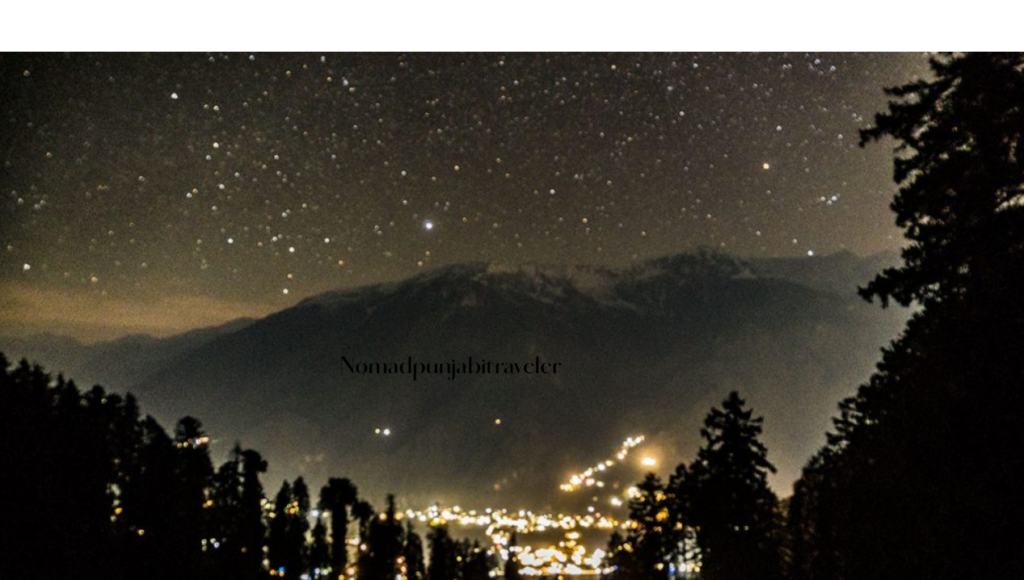
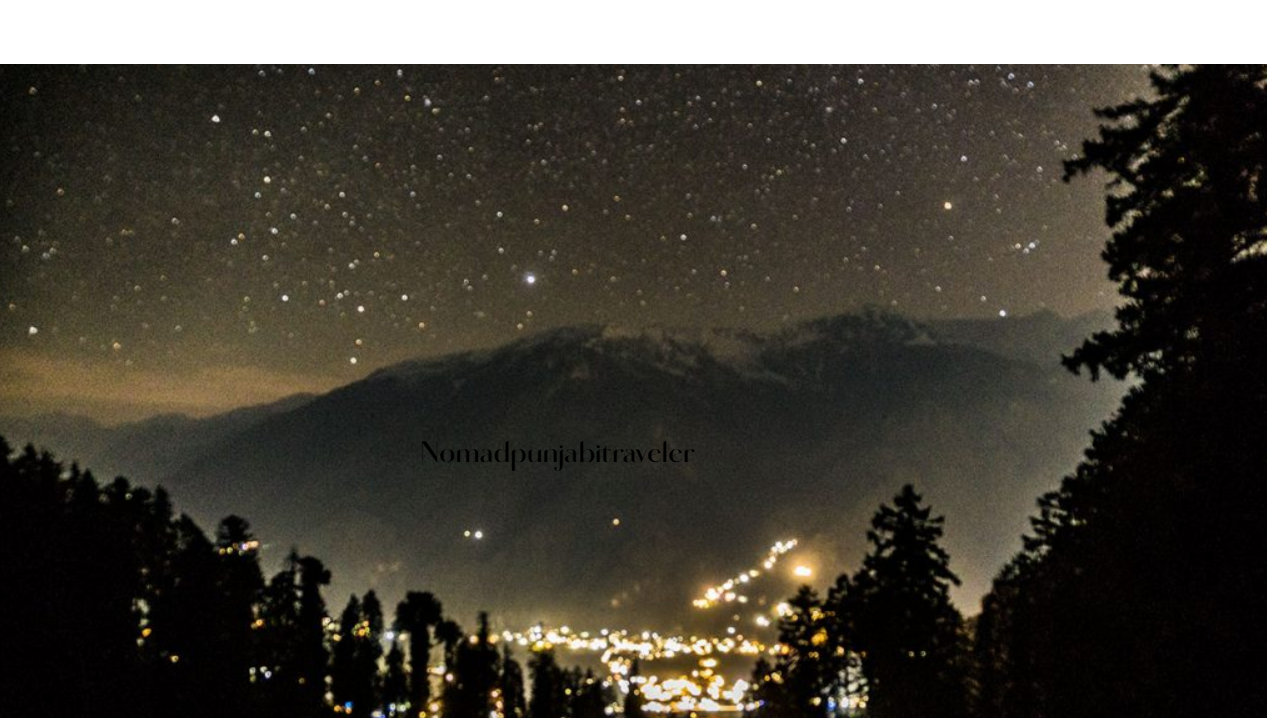
Lying under the open sky at night, I felt like it was not the same place as when I had arrived in the morning. Honking noises and a lack of peace surrounded me. But at night, it felt like another world. By God’s grace, I got a room with a wide-open balcony on the top floor of the hotel. When I gazed upon the night sky, it brought me to another level of peace.
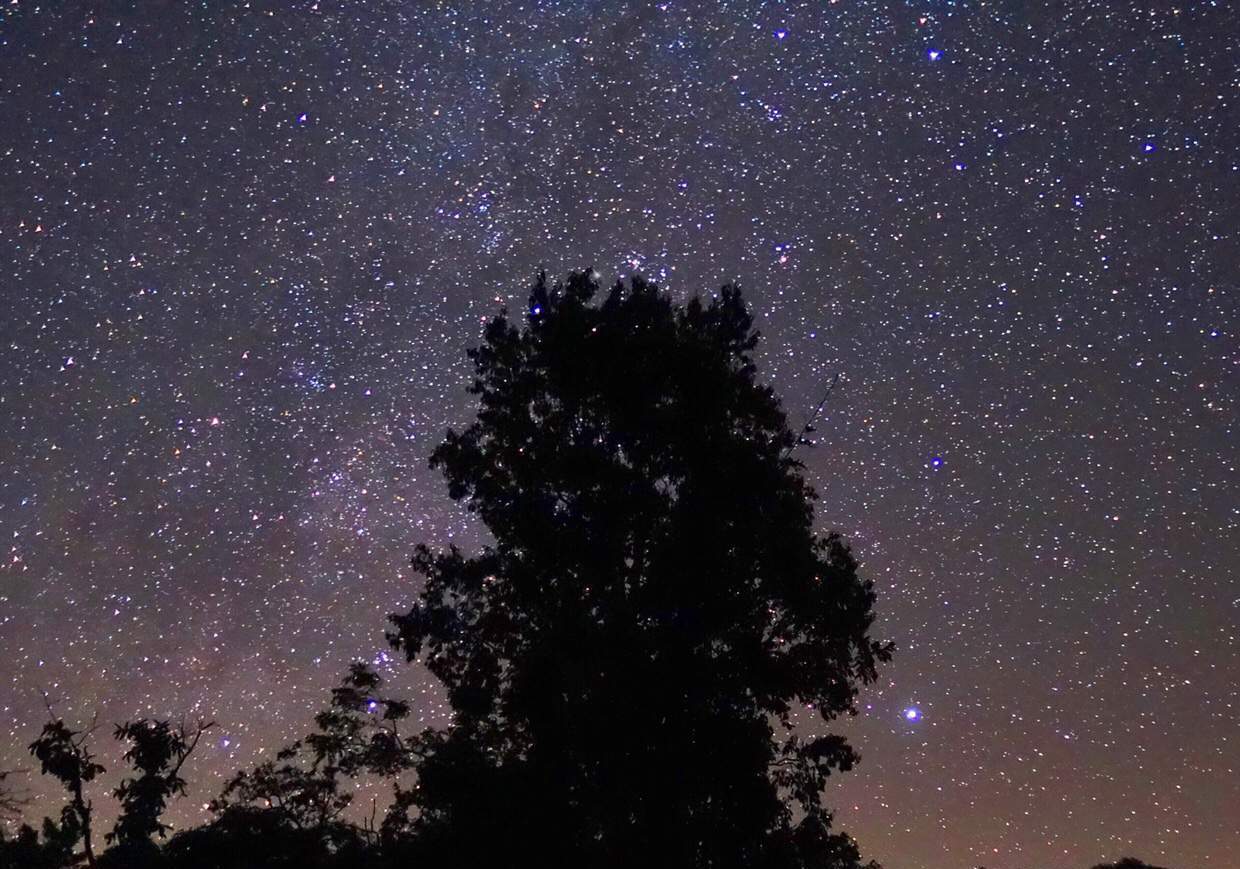
The sun had just set, and the sky transformed into a painted canvas of deep shades of blue, purple, and violet. The last ray of daylight faded, and the stars started to twinkle into view, like God was unfolding a symphony above.
One by one, the stars emerged, initially shy and hesitant, like timid fireflies blinking in the twilight. But as darkness enveloped the sky, they grew bolder, multiplying until the entire sky was covered with their brilliance. The stars twinkled with a mesmerizing rhythm, their light dancing and shimmering like a million fireflies engaged in a celestial ballet
The silence of the night was profound, broken only by the murmur of the wind and the rhythmic symphony of the stars. It was a night of wonder, a time to pause and contemplate the vastness of the universe and our own place within it.
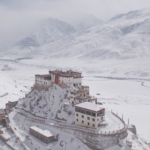
I saw the last ray of sunlight touch the snow-capped mountains, it gave me goosebumps. You cannot imagine the breathtaking panoramic view of nature I was experiencing at that moment. From that point on, I started to love Himachal Pradesh Manali. It gave me a reason to explore Manali’s historical background, cultural heritage, cuisines, and folk dance, and it also encouraged me to know in and arounds of Manali.
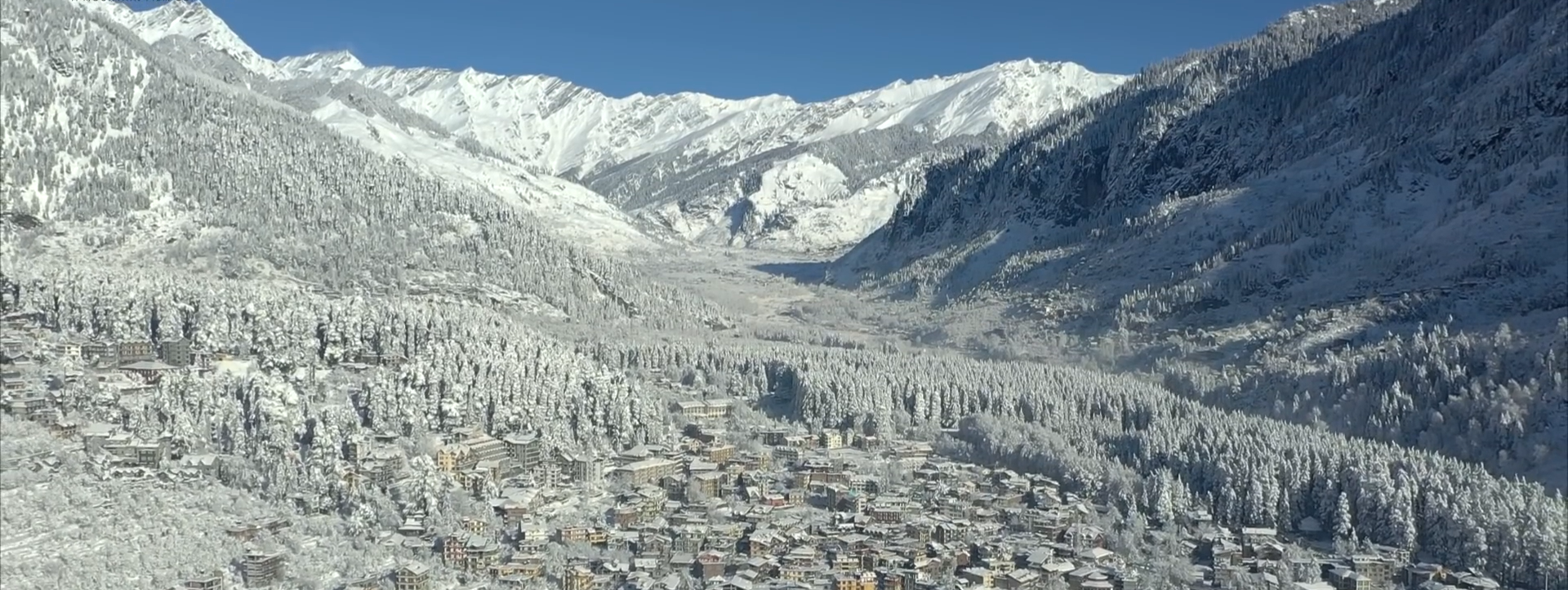
Manali then to Now
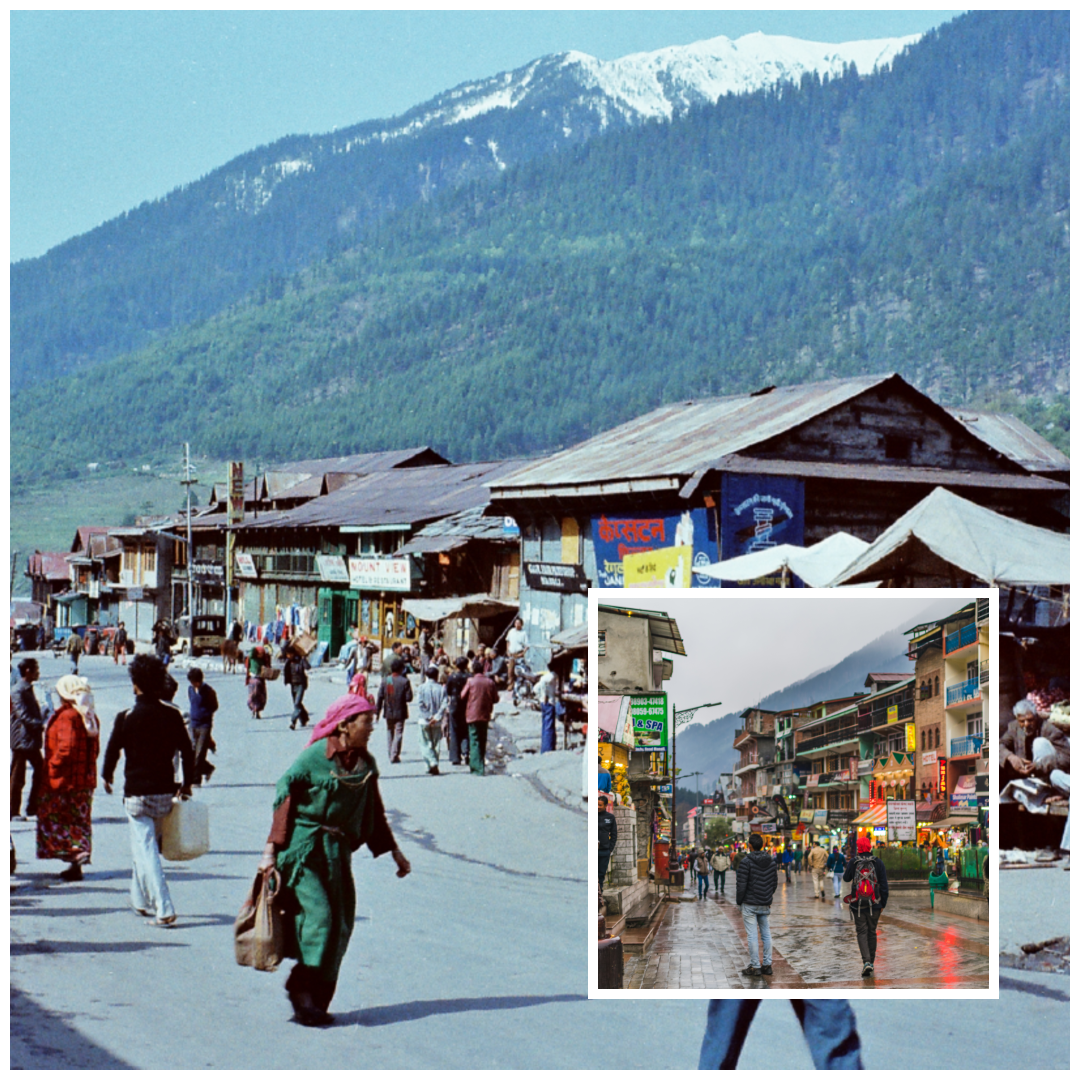
All right, let’s embark on a journey through the fascinating town of Manali. On the next day, I met an elderly person who shared many things about Manali. During our conversation, he mentioned a very important piece of information: He said that in the past, Manali was a relatively unknown gem, a serene village nestled in the heart of the Himachal Pardesh Kullu Valley. It was a place where the lush green valleys, snow-capped peaks, and dense forests formed a tranquil retreat for those who knew of its existence. We primarily depended on agriculture, with apple orchards and small-scale farming. Houses were built using traditional materials like wood and stone, reflecting the unique architecture of the region. Life in Manali was simple and slow-paced, but from the mid-1980s, when Kashmir got hit by terrorism, Manali witnessed the sudden flow of tourists. It has turned to chaos with big Hotels, Homestays, and resorts. Cafes. People are constructing blindly without thinking twice that they are just exploiting Mother Nature. This conversation went right to the point with the thoughts I had for Himachal Pradesh Manali, but still, if you want to experience Manali, then you must visit old Manali once, and it would be best if you stay there at old Manali. You will experience a completely different Nature, serenity, people, culture, and food there.
Well, I asked a bit about ancient references for Manali. He replied, Manali got its name from Sage Manu Maharaj. According to legend, after a catastrophic flood, Sage Manu’s boat landed on the hill of this place. Sage Manu then established a new settlement here and named it Manali. He also said Manali was once a home for Hadimba, Vashitha Rishi, and even Pandavas also spent time here. Further, he said, Manali was once a gateway to the ancient Silk Route that connected Tibet and Central Asia with India. Traders from far and wide passed through this region, bringing with them goods, culture, and ideas that left a lasting impact on the local population. After this long conversation with him, I asked leave for the day and gave him my love & respect.
Sightseeing in and Around Himachal Pradesh Manali
The next day, I planned to visit in and around to explore Manali, so I made a plan that I’d first visit the Hadimba Devi Temple > Manu Temple > Vashitha Hot spring Temple > Solang Valley > Rohtang Pass > Old Manali > Tibetan Monasteries > Club House > Nehru Kund > Rahala waterfalls > Great Himalayan Park > Atal Tunnel > Gulaba.
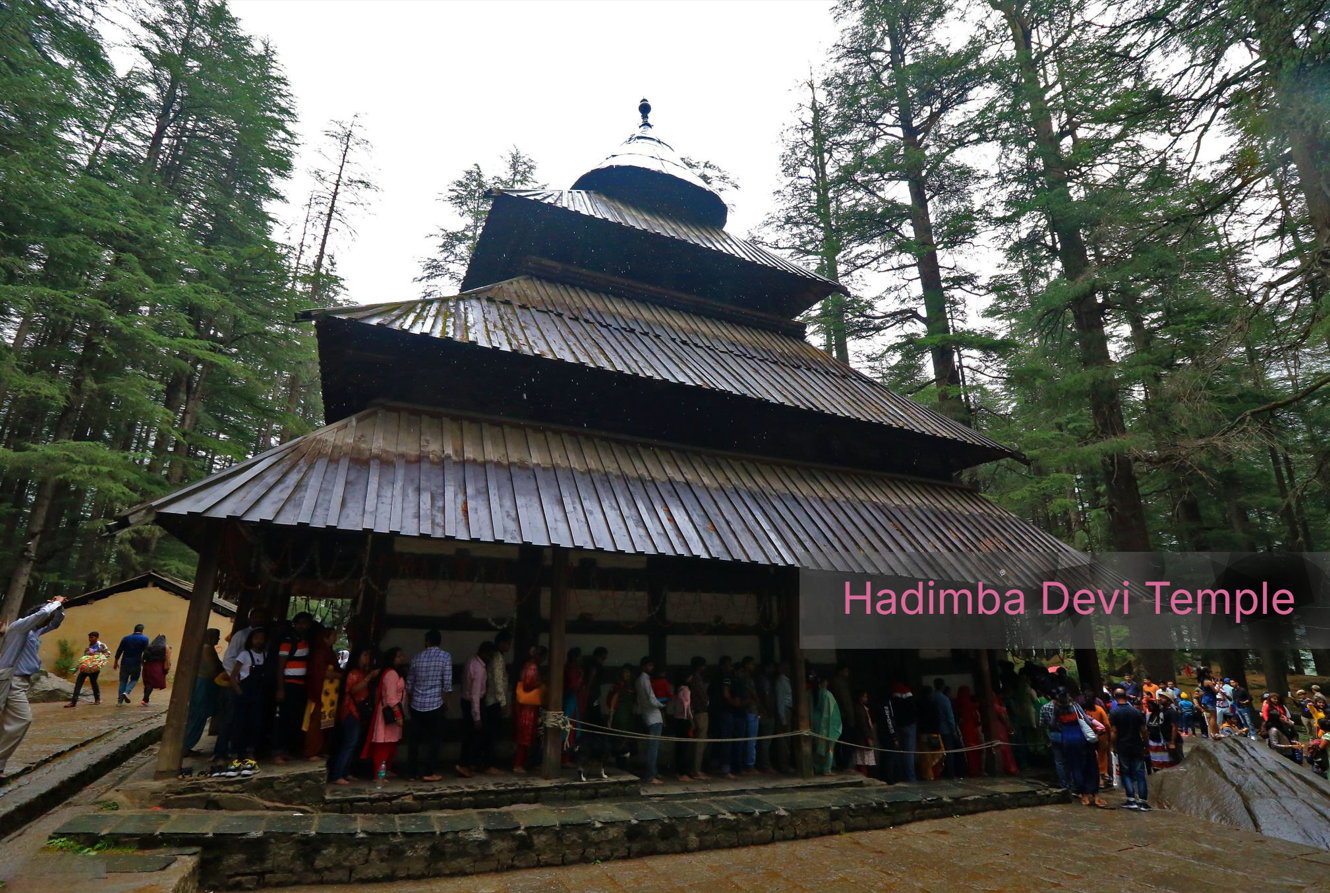
First, I went to the Hadimba Devi Mata Temple to have a blessing. The Hadimba Temple, also known as the Hidimba Devi Temple, is one of the most significant spiritual landmarks in Manali. This ancient temple, dedicated to Hadimba Devi, a character from the Mahabharata, is set amidst cedar forests and offers a serene retreat away from the hustle and bustle of the town. The unique pagoda-style architecture and the tranquil surroundings make it a must-visit spot for spiritual seekers and history enthusiasts.
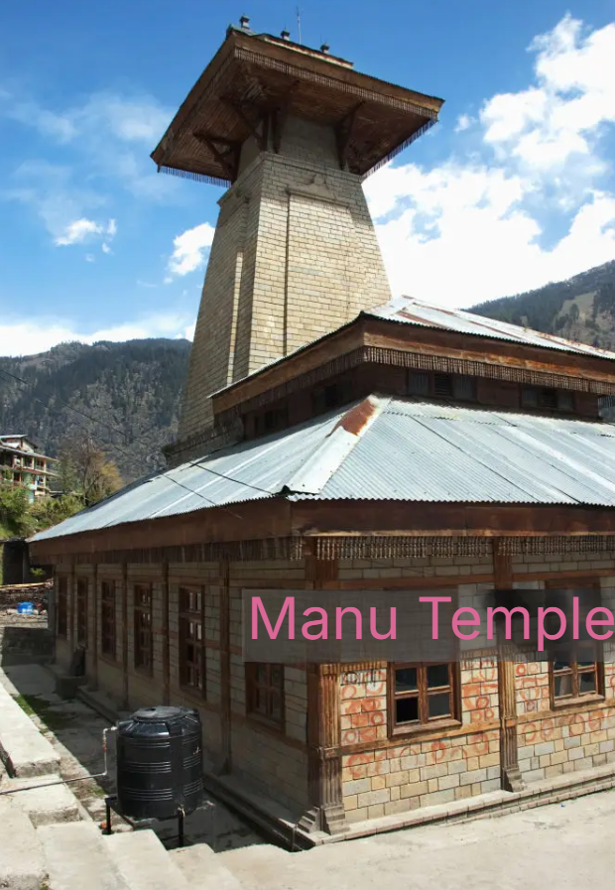
Manu Temple
This tempe is just 2 km from Hadimba Devi Temple and approx 3 Km from Main Bazar, old Manali. I came to know it is only one temple of Manu in whole India. The Manu Temple, dedicated to Sage Manu, is another significant spiritual site in Manali. This ancient temple provides a glimpse into the area’s mythology and offers a peaceful environment for meditation and reflection. The temple’s location, surrounded by lush greenery and scenic beauty, makes it a serene spot for visitors.
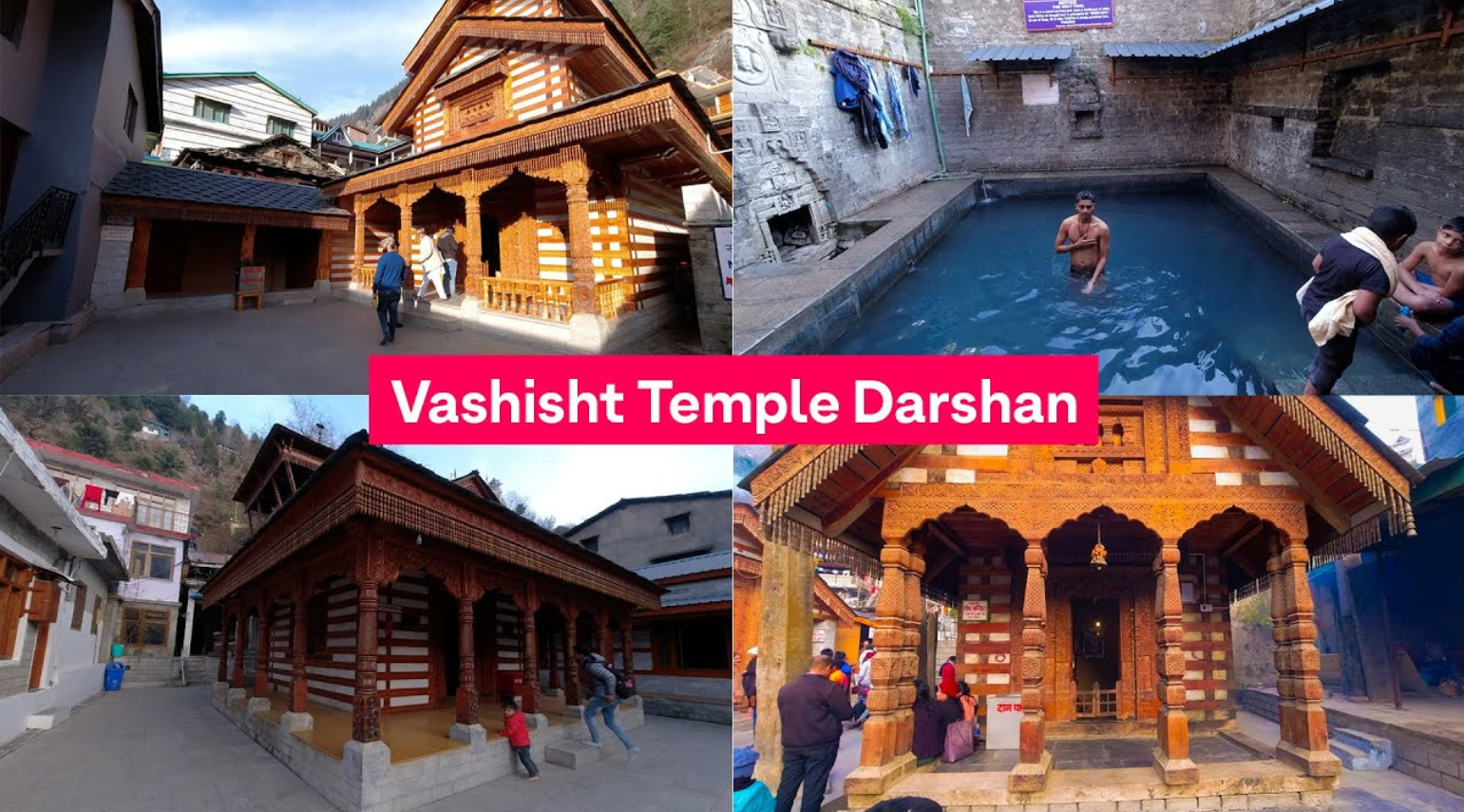
Vashisht Temple or Vashisht Hot Springs
Located in the village of Vashisht are natural hot water springs known for their therapeutic properties. Visitors can take a relaxing dip in these hot springs while enjoying the scenic beauty of the surrounding mountains. The village of Vashisht also has ancient temples and traditional houses, adding to its charm. It is just 5 km from Manu Temple.
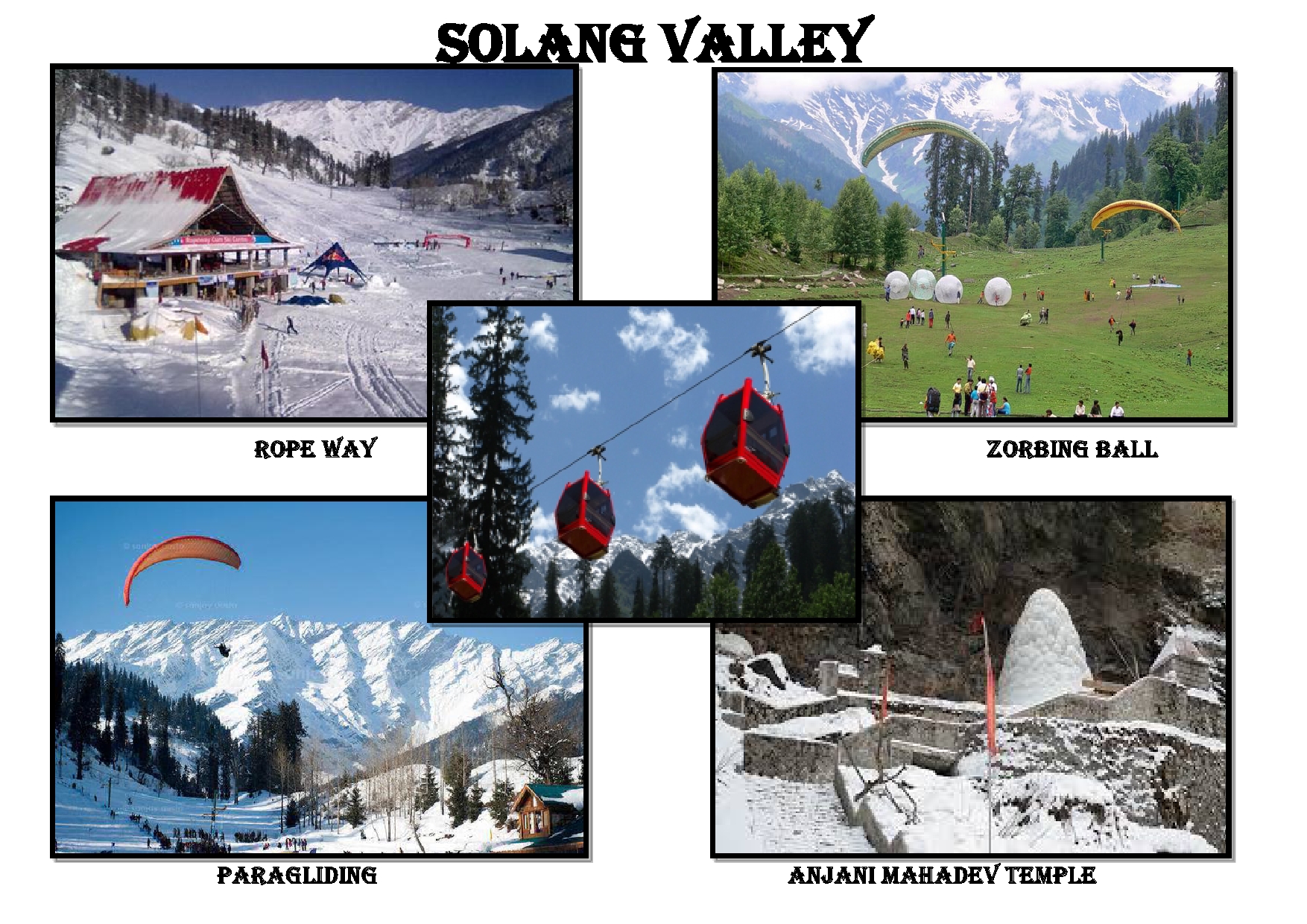
Solang Valley
Solang Valley is a paradise for adventure lovers. Located just 14 kilometers from Manali, this valley is famous for its thrilling activities such as skiing, snowboarding, paragliding, and zorbing. Whether you visit in winter for snow sports or in summer for adventure activities, Solang Valley promises an adrenaline-pumping experience amidst breathtaking landscapes.
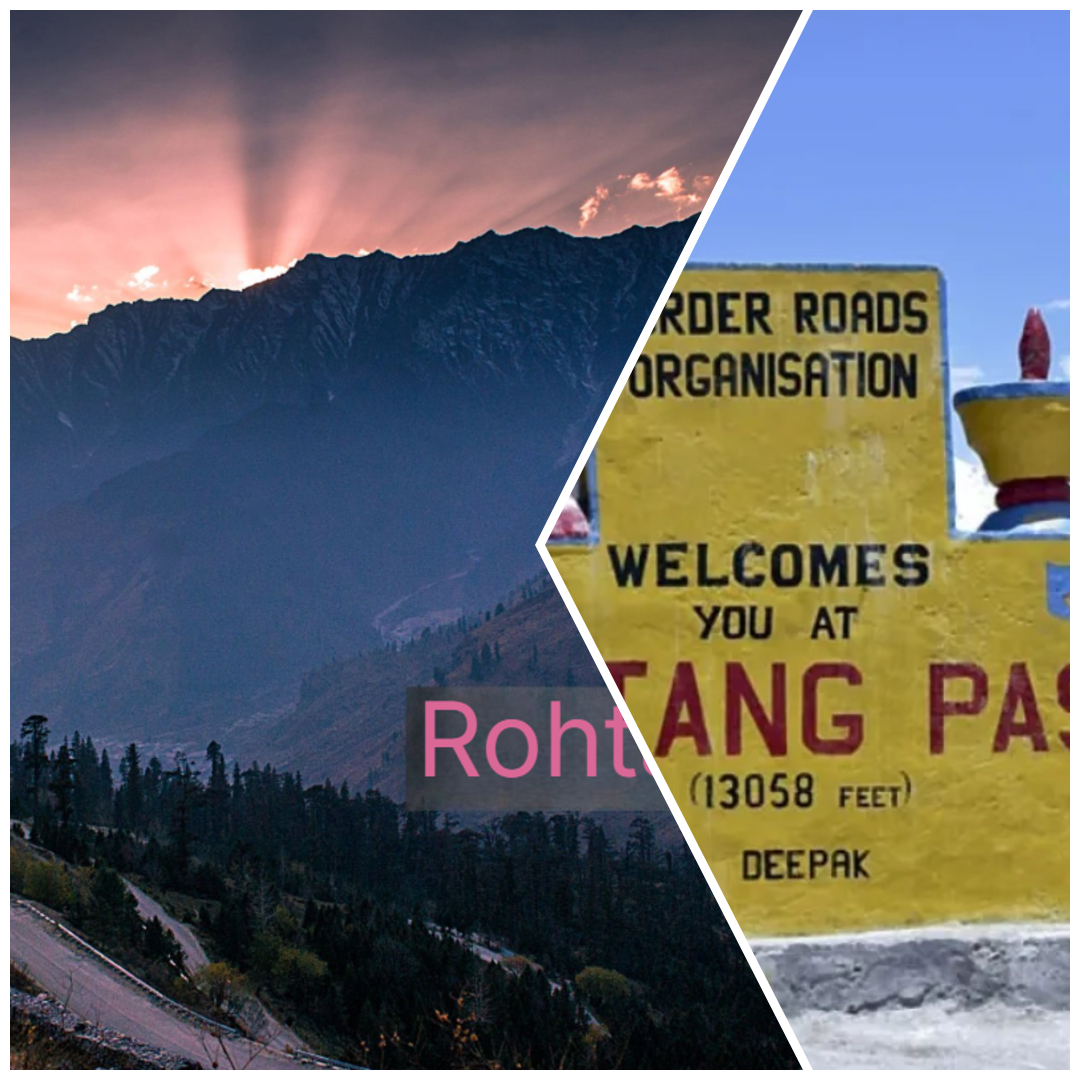
Rohtang Pass
Rohtang Pass, situated at an altitude of 3,978 meters, is one of the highest motorable passes in the world. This high-altitude pass offers stunning views of snow-covered mountains and glaciers, making it a top attraction for adventure seekers and nature lovers. The pass is open from May to November, and during this time, visitors can indulge in activities like skiing, snowboarding, and paragliding.
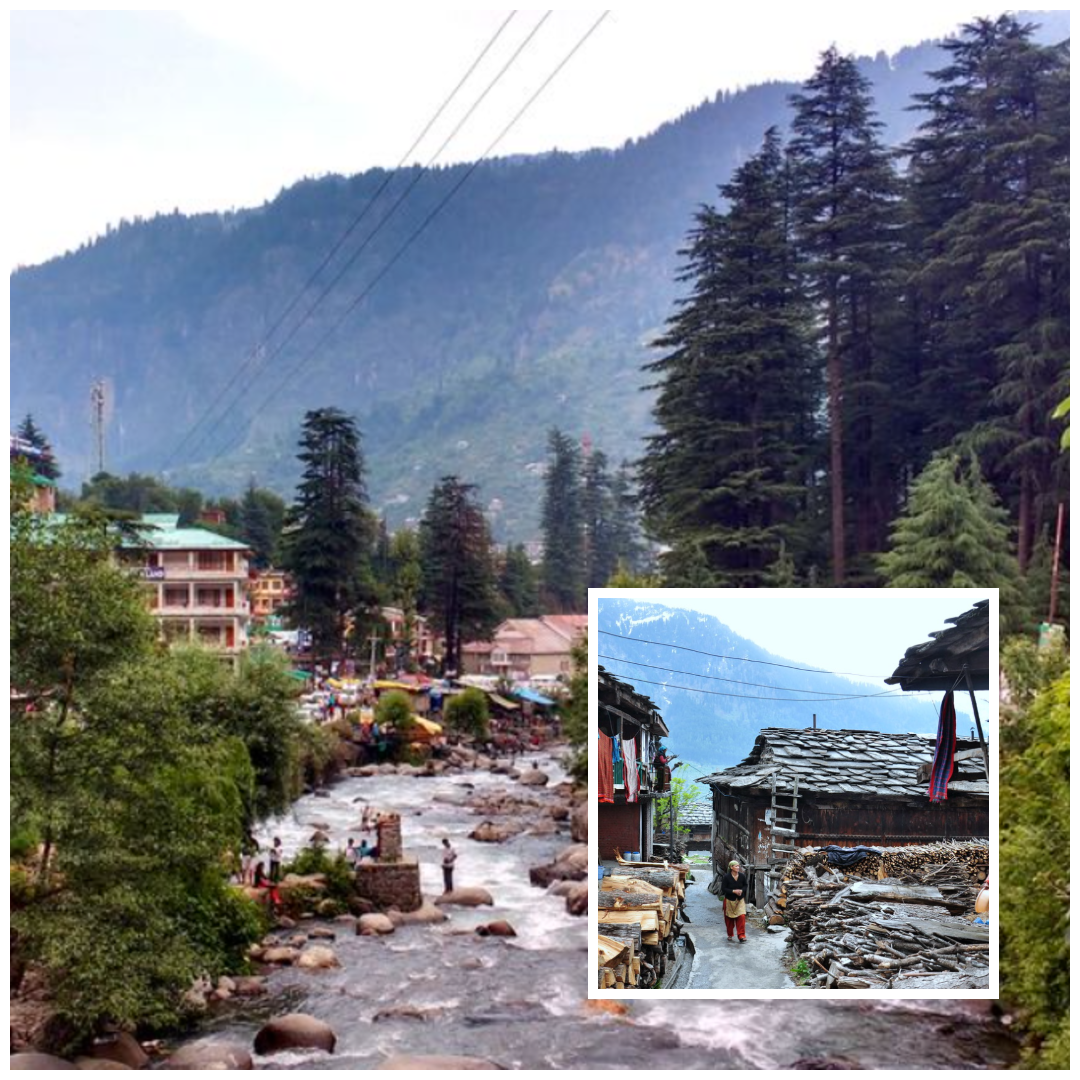
Old Manali
Old Manali is a quaint village with a bohemian vibe, charming cafes, and mesmerizing views. This part of Manali is known for its laid-back atmosphere, making it a perfect spot for travelers looking to unwind and soak in the local culture. The narrow lanes, traditional houses, and vibrant markets add to the charm of Old Manali.
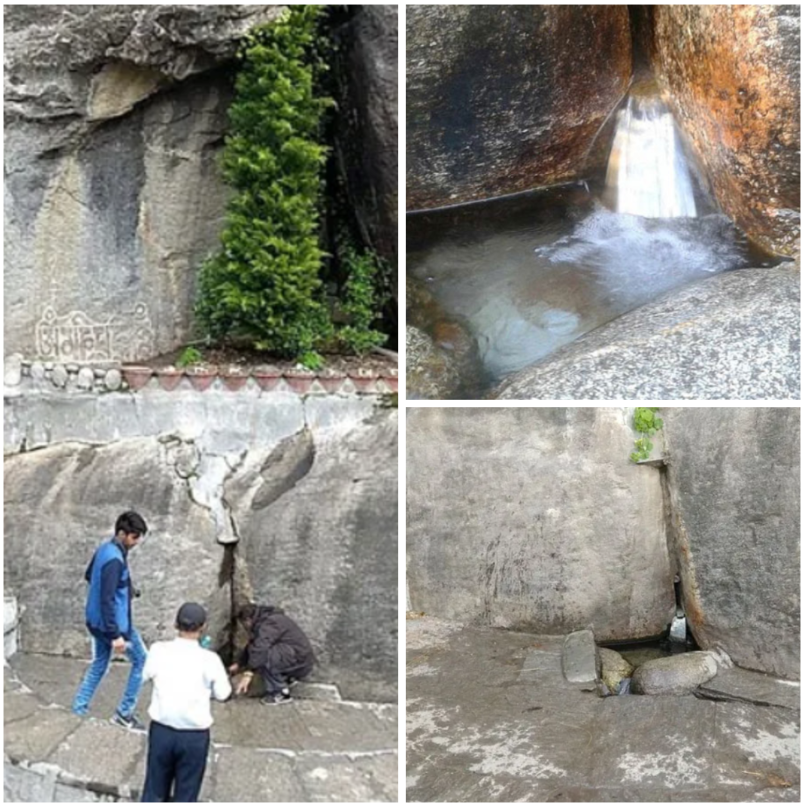
Nehru Kund
Nehru Kund is a natural spring located about 5 kilometers from Manali on the Manali-Leh Highway. This serene spot is named after India’s first Prime Minister, Jawaharlal Nehru, who was known to drink water from this spring during his visits to Manali. The spring is believed to originate from the Bhrigu Lake, and its crystal-clear water is a major attraction for visitors. Easily accessible by road, it is a popular stop for travelers heading towards Rohtang Pass.
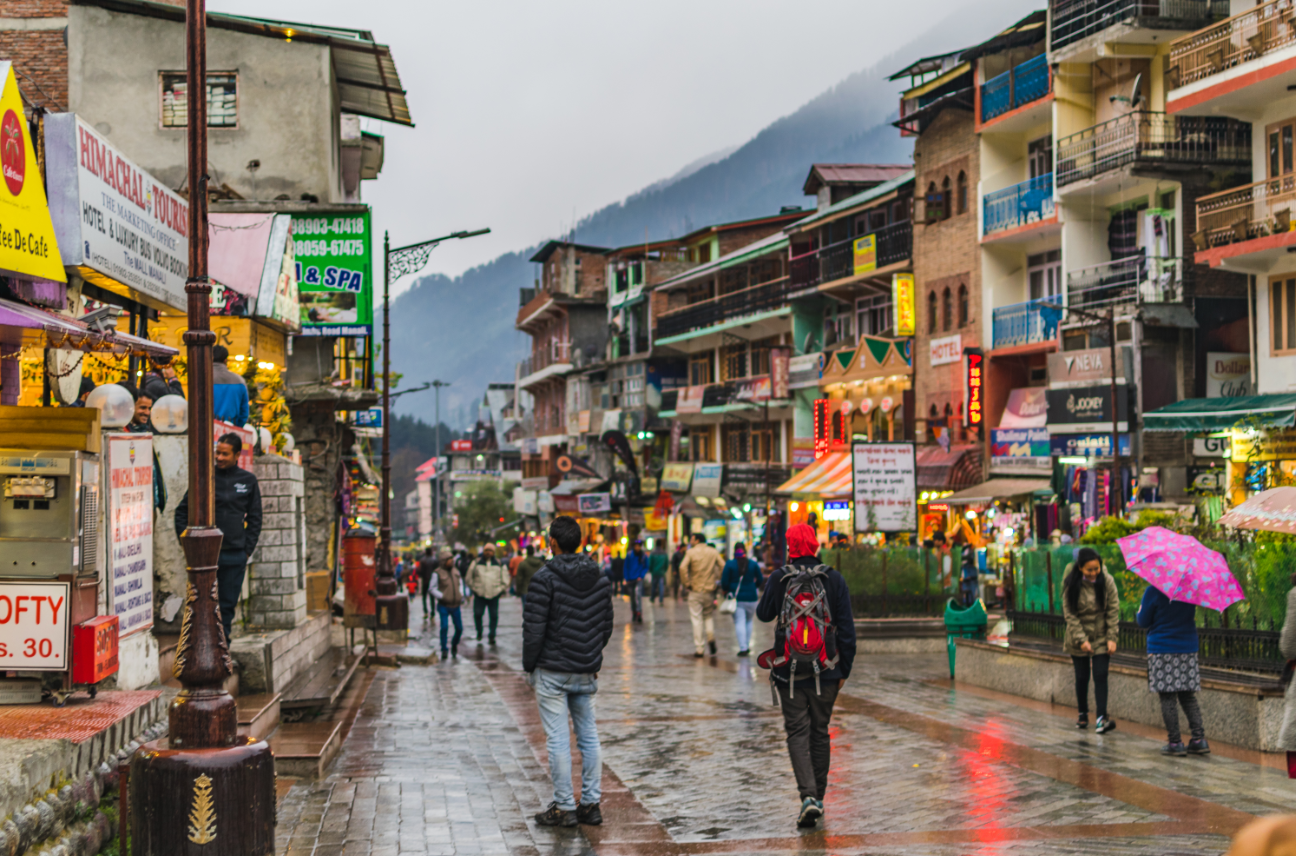
Manali Mall Road
Mall Road in Manali is the vibrant hub of the town, filled with shops, eateries, and cultural spots. It’s perfect for shopping local crafts, savoring diverse cuisines, and soaking in the lively ambiance. Evening strolls are especially magical, with the streetlights creating a charming atmosphere.
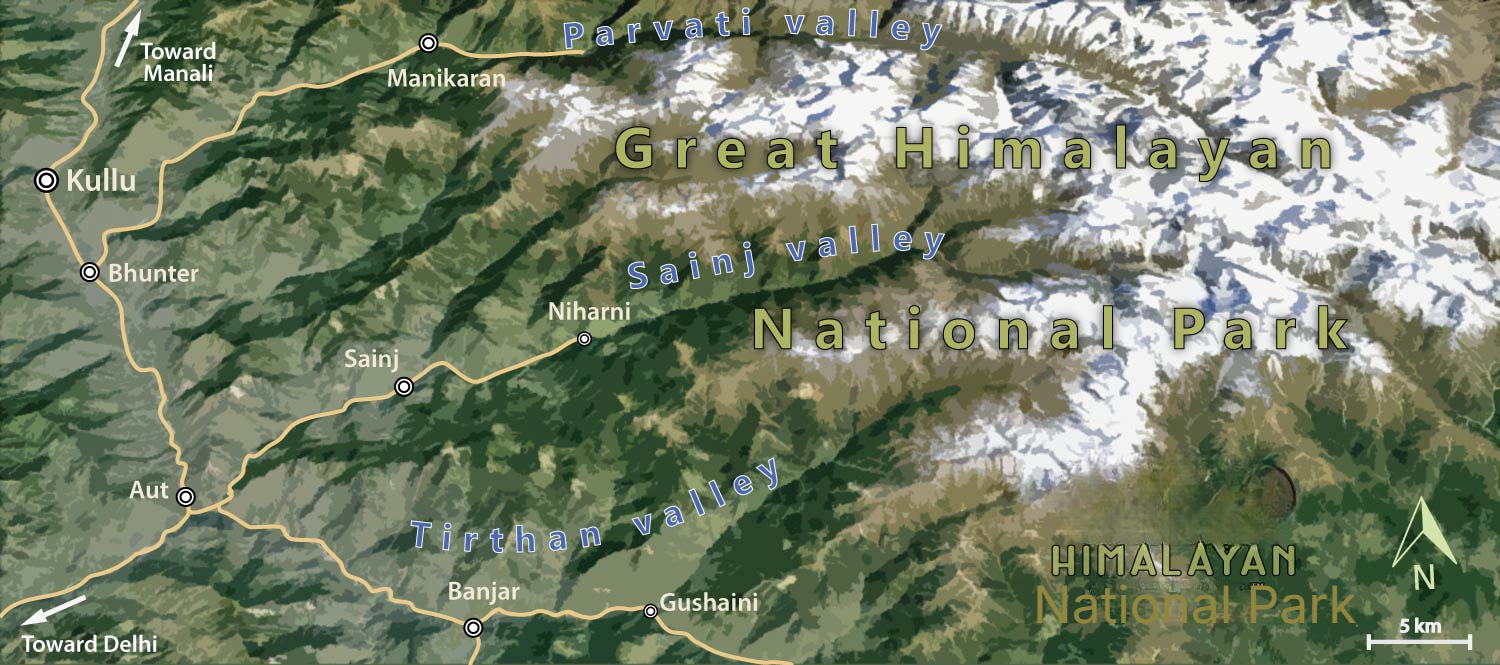
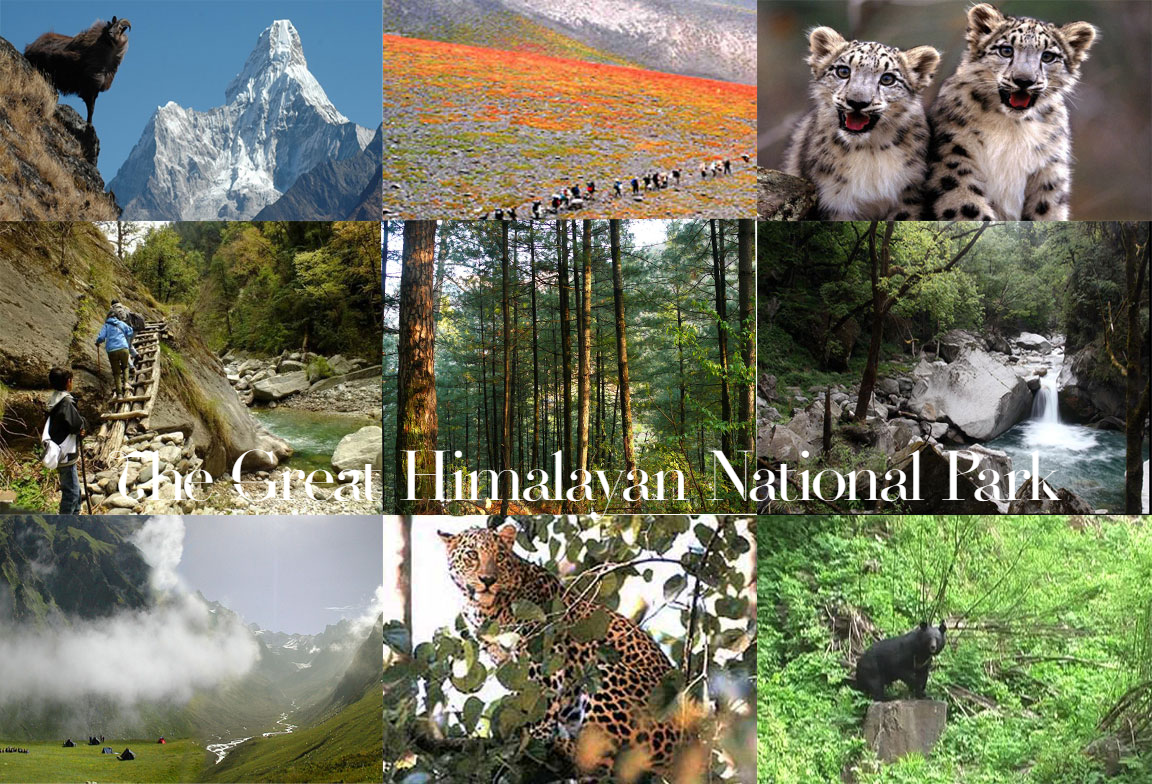
The Great Himalayan National Park
The Great Himalayan National Park, a UNESCO World Heritage Site, is a must-visit for wildlife enthusiasts and nature lovers. This protected area is home to a variety of flora and fauna and offers opportunities for trekking, wildlife watching, and exploring the natural beauty of the Himalayas. The park is located in the Kullu Valley, about 60 kilometers from Manali.
What if I say to explore Manali in Himachal Pradesh is not easy Then I won’t be wrong. You need a week to explore the whole of Sightseeing in and around Manali. It took me a week to visit all the places I mentioned above. Well, no one explores with an empty stomach, and when there are foodies like me, then it’s compulsory to discuss the local cuisine of Manali.
Cuisines of Manali
I found some of the best local cuisines to satisfy my hunger, so you can too. If you explore Manali’s culinary scene, you will find a delightful blend of traditional Himachali dishes and flavors from around the world. Here are some must-try cuisines and dishes when visiting Manali: The most recommended place would be “Vibes Himachali Cuisine.” It is in New Manali Near SBI Bank.
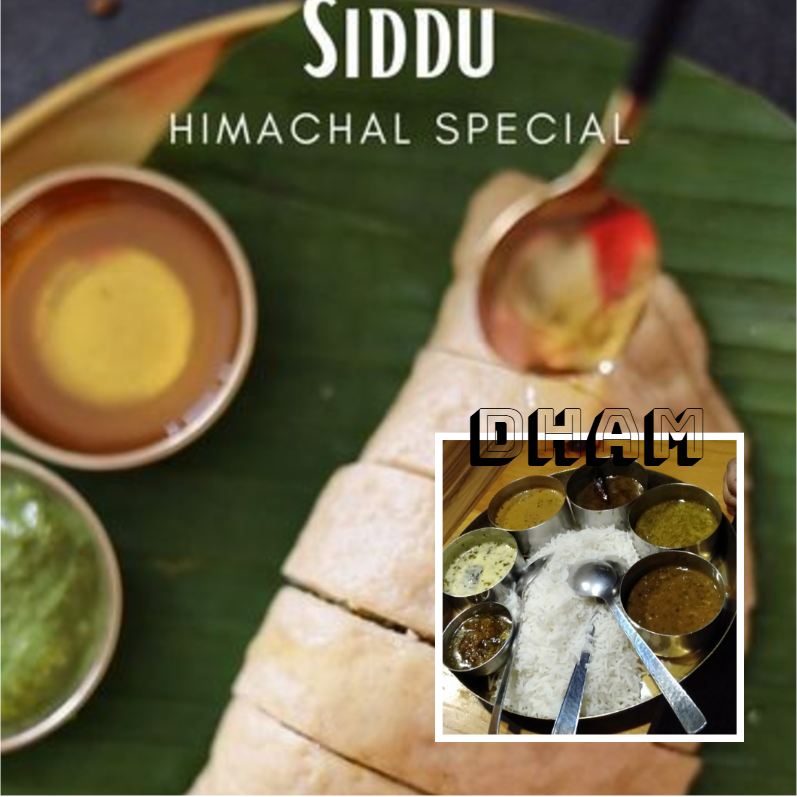
1. Dham
Dham is a traditional Himachali feast that is usually served during festivals and special occasions. This elaborate meal includes a variety of dishes such as rice, dal, rajma, and curd, all cooked with local spices and flavors. The meal is typically served on leaf plates and is a true representation of Himachali hospitality.
2. Siddu
Siddu is a popular Himachali dish made from wheat flour dough stuffed with a mixture of mashed potatoes, spices, and herbs. The dough is then steamed and served with ghee or butter. Siddu is a delicious and hearty dish that is perfect for the cold weather in Manali.
3. Babru
Babru is a traditional Himachali snack that is similar to a stuffed puri. It is made from wheat flour dough stuffed with a mixture of black gram dal and spices. The dough is then deep-fried until golden brown and served with tamarind chutney. Babru is a popular street food in Manali and is a must-try for food enthusiasts.
4. Trout Fish
Manali is known for its fresh trout, which is sourced from the rivers and streams in the region. The fish is usually marinated with local spices and herbs and then grilled or fried to perfection. Trout is a delicacy in Manali and is a must-try for seafood lovers.
5. Chana Madra
Chana Madra is a traditional Himachali dish made from chickpeas cooked in a yogurt-based gravy with a blend of local spices. This dish is rich in flavor and is usually served with rice or roti. Chana Madra is a staple in Himachali cuisine and is a must-try for those looking to experience the local flavors.
6. Mittha
Mittha is a traditional Himachali dessert made from sweetened rice and dry fruits. This dessert is usually prepared during festivals and special occasions and is a delightful way to end a meal. The combination of sweet rice and crunchy dry fruits makes Mittha a unique and delicious treat.
Apart from that, there are numerous cafes, restaurants, and street food corners available. Local food shops can satisfy your hunger, serving multi-cuisine options like Chinese, South Indian, and North Indian dishes. If you still crave pizza and burgers, don’t worry; there are plenty of outlets that serve good food. Now it is time to discuss the cultural heritage of Himachal Pradesh Manali.
Cultural Activities in Manali
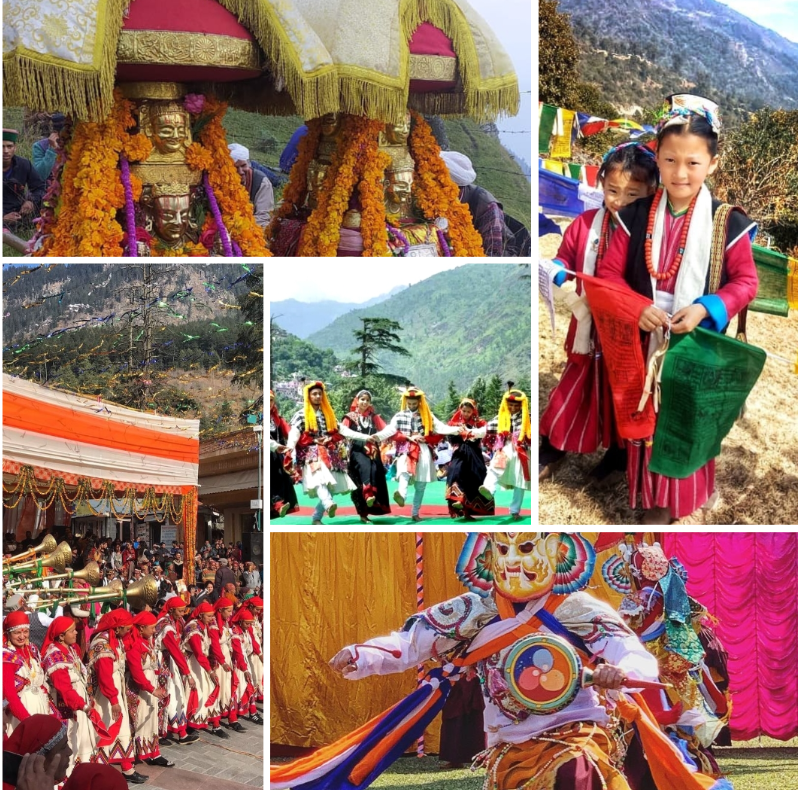
Manali’s rich cultural heritage is reflected in its vibrant festivals, traditional dances, and local crafts. Here are some cultural activities that visitors can experience in Manali:
1. Kullu Dussehra
Kullu Dussehra is one of the most famous festivals in the region and is celebrated with great enthusiasm and fervor. This week-long festival marks the victory of good over evil and includes processions, cultural performances, and traditional music and dance. The festival attracts visitors from all over the world and is a great way to experience the local culture.
2. Folk Dances
Manali is known for its traditional folk dances, which are performed during festivals and special occasions. Some of the popular folk dances include Nati, Kulluvi Nati, and Chham. These dances are characterized by their rhythmic movements, colorful costumes, and lively music. Visitors can witness these performances during local festivals and cultural events.
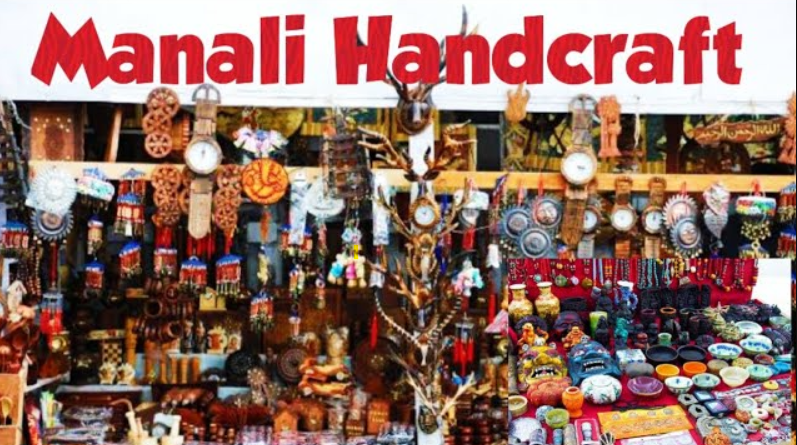
3. Handicrafts
Manali is famous for its local handicrafts, which include woolen shawls, carpets, and wooden artifacts. Visitors can explore the local markets and shops to purchase these handmade items, which make for great souvenirs and gifts. The craftsmanship and intricate designs of these handicrafts reflect the rich cultural heritage of the region.
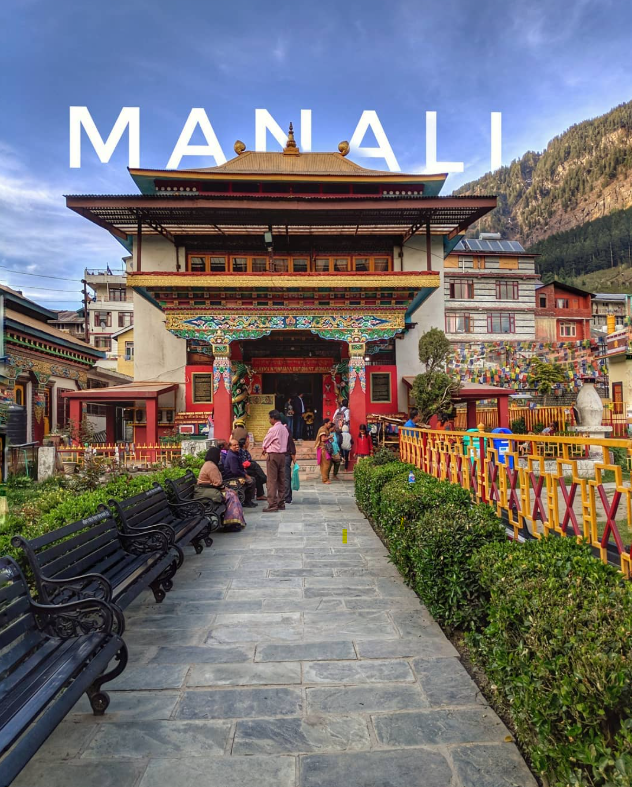
4. Tibetan Monasteries
Manali is home to several Tibetan monasteries, which offer a glimpse into the region’s Buddhist culture and traditions. The monasteries are adorned with colorful prayer flags, intricate murals, and statues of Buddha. Visitors can explore these monasteries, participate in meditation sessions, and learn about the Buddhist way of life.
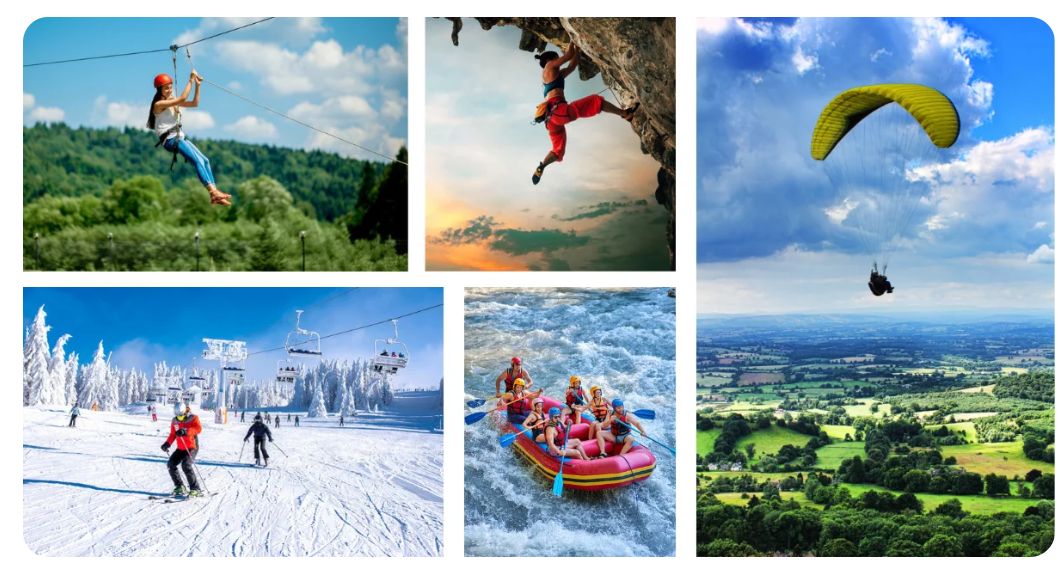
Until now, I believe you have thoroughly enjoyed the article about Manali’s history, cultural heritage, local cuisines, and places to visit. However, I realized we haven’t covered the “activities to do in Manali”. Manali isn’t just for nature lovers; it’s also for those who love adventure sports. That’s what makes Manali a must-visit destination in India.
Snow Activities in Manali
Skiing and Snowboarding
Solang Valley and Rohtang Pass are the prime destinations for skiing and snowboarding. With slopes suitable for both beginners and seasoned pros, these locations provide the perfect setting to glide through powdery snow while surrounded by breathtaking vistas.
Snow Trekking
For those who love to explore on foot, snow trekking trails around Manali, such as the Hampta Pass and Bhrigu Lake treks, offer a unique opportunity to witness the pristine beauty of the snow-clad Himalayas while experiencing the thrill of adventure.
Other Adventure Activities
Paragliding
Solang Valley isn’t just about snow. It’s also a hotspot for paragliding enthusiasts who wish to soar above the lush valleys and get a bird’s-eye view of the stunning landscape. The feeling of flying amidst the mountains is truly exhilarating.
River Rafting
The Beas River provides an exciting venue for river rafting, attracting adventure seekers from around the globe. The rapids here are perfect for both beginners and experienced rafters, offering a thrilling ride through the scenic Kullu Valley.
Mountain Biking
Manali’s rugged terrain is ideal for mountain biking. Enthusiasts can explore various trails that take them through dense forests, quaint villages, and along riverbanks, making for an adventurous and scenic ride.
Manali’s diverse range of snow activities and adventure sports ensures there’s something for everyone, whether you’re a thrill-seeker or simply looking to experience the natural beauty in an adventurous way. This Himalayan paradise is a year-round destination for unforgettable adventures.
Trekking in Manali
Manali is a paradise for trekking enthusiasts and can be best for explorer who want to explore Manali. The region offers a diverse range of trekking routes, catering to all levels of trekkers, from easy to tough. Whether you’re a beginner looking for a leisurely walk or an experienced trekker seeking a challenging adventure, Manali has something to offer for everyone.
Easy Treks
1. Jogini Waterfall Trek
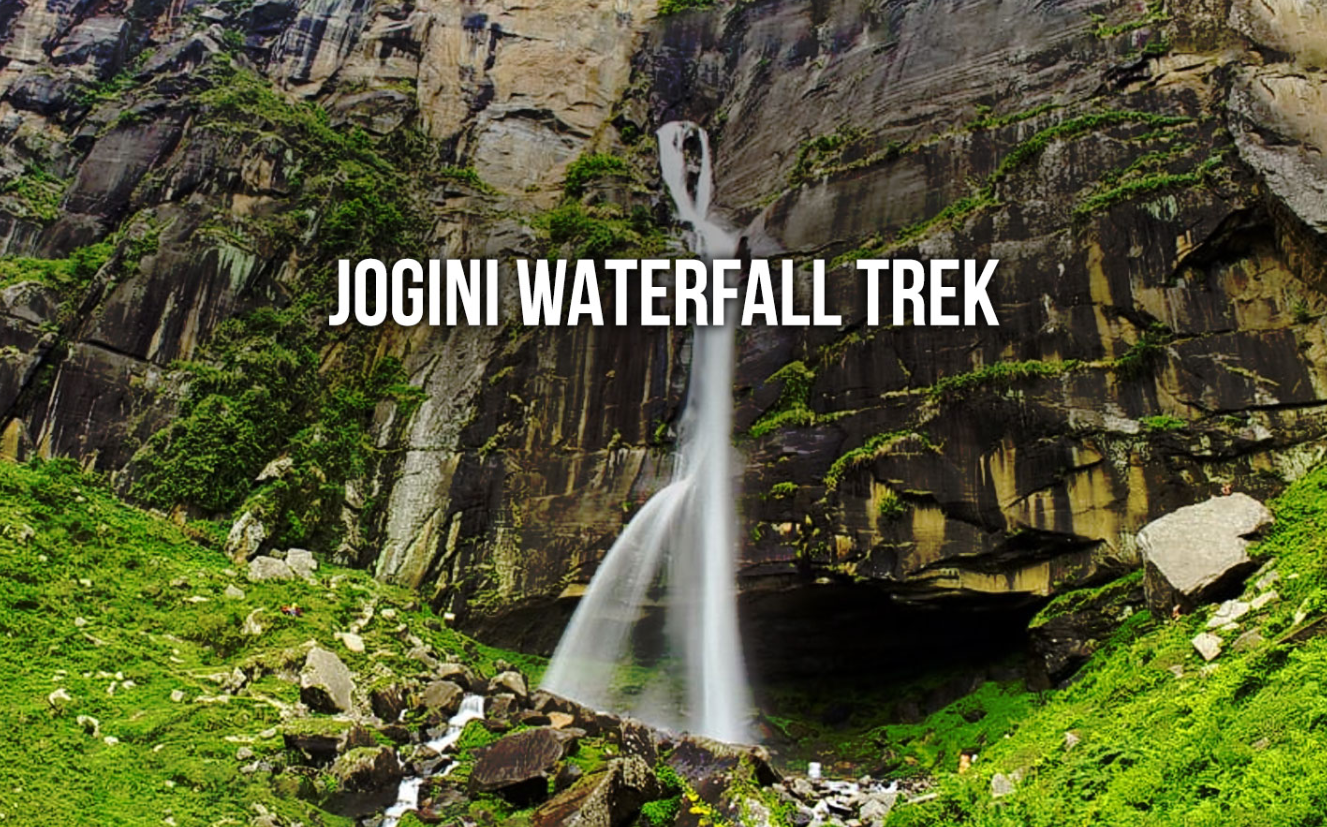
Jogini Waterfall Trek is perfect for beginners and families. This short trek starts from Vashisht Village, located about 3 kilometers from Manali. The trail takes you through apple orchards, pine forests, and traditional Himachali villages. The highlight of this trek is the stunning Jogini Waterfall, where you can relax and enjoy the serene surroundings. The entire trek can be completed in 2-3 hours.
2. Lamadugh Trek
The Lamadugh Trek is another easy trek that offers a delightful experience of Manali’s natural beauty. Starting from Old Manali, the trail takes you through dense forests of deodar and oak trees. The trek offers panoramic views of the Kullu Valley and surrounding peaks. Lamadugh is a picturesque meadow that serves as the perfect picnic spot. The trek is about 5 kilometers one way and can be completed in a day.
Moderate Treks
1. Bhrigu Lake Trek
The Bhrigu Lake Trek is a moderate trek that offers stunning views and a rewarding experience. Starting from Gulaba, located 24 kilometers from Manali, the trail takes you through lush meadows and dense forests. The highlight of the trek is the high-altitude glacial lake, Bhrigu Lake, situated at an altitude of 4,300 meters. The trek offers breathtaking views of the Pir Panjal and Dhauladhar ranges. The entire trek takes about 3-4 days to complete.
2. Chandrakhani Pass Trek
The Chandrakhani Pass Trek is a moderate trek that takes you through the picturesque Kullu Valley. Starting from Naggar, the trail passes through dense forests, alpine meadows, and quaint villages. The trek offers stunning views of the Deo Tibba and Pir Panjal ranges. The highlight of the trek is the Chandrakhani Pass, situated at an altitude of 3,660 meters. The entire trek takes about 4-5 days to complete.
Tough Treks
1. Hampta Pass Trek
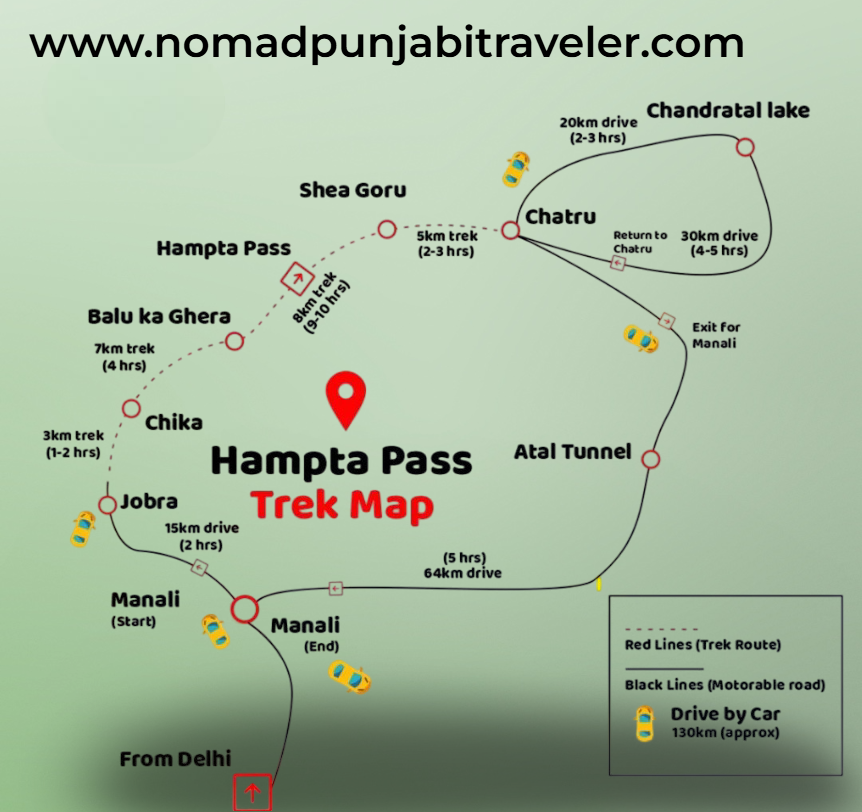
The Hampta Pass Trek is a challenging trek that offers a diverse range of landscapes and experiences. Starting from Jobra, the trail takes you through lush green valleys, dense forests, and barren landscapes. The highlight of the trek is crossing the Hampta Pass, situated at an altitude of 4,270 meters. The trek also includes a visit to the beautiful Chandratal Lake. The entire trek takes about 5-6 days to complete and requires a good level of fitness and trekking experience.
2. Pin Parvati Pass Trek
The Pin Parvati Pass Trek is one of the toughest treks in the Manali region, offering an exhilarating adventure for experienced trekkers. Starting from Barshaini near Manikaran, the trail takes you through dense forests, alpine meadows, and rugged terrains. The highlight of the trek is crossing the Pin Parvati Pass, situated at an altitude of 5,319 meters. The trek also offers stunning views of the Spiti Valley. The entire trek takes about 10-12 days to complete and requires excellent fitness and mountaineering skills.
Until now, I hope I have been able to explore Manali to the best of my ability for you. However, this is not the end. Although you are more professional when it comes to planning a journey, I would like to share my little knowledge too.
Best Times to Visit Manali
Manali is a year-round destination, with each season offering a unique experience. Here are the best times to explore Manali based on the different seasons:
1. Summer (March to June)
Summer is the peak tourist season in Manali, with pleasant weather and clear skies. This is the best time to enjoy outdoor activities such as trekking, paragliding, and river rafting. The temperature during this time ranges from 10°C to 25°C, making it ideal for sightseeing and exploring the natural beauty of the region.
2. Monsoon (July to September)
The monsoon season in Manali brings heavy rainfall, which can lead to landslides and roadblocks. While this is not the best time for outdoor activities, the lush green landscapes and blooming flowers make it a beautiful time to visit for nature lovers. The temperature during this time ranges from 10°C to 20°C.
3. Autumn (October to November)
Autumn is a great time to visit Manali, with clear skies and pleasant weather. The temperature during this time ranges from 10°C to 20°C, making it ideal for sightseeing and outdoor activities. The autumn season also offers stunning views of the changing colors of the foliage, adding to the charm of the region.
4. Winter (December to February)
Winter is the best time to visit Manali for snow lovers and adventure enthusiasts. The town is transformed into a winter wonderland, with snow-covered landscapes and opportunities for skiing, snowboarding, and other winter sports. The temperature during this time ranges from -1°C to 10°C, so visitors should be prepared for cold weather.
I know you’re wondering about the best way to reach Manali. If you’re traveling solo or with a partner like me, public transport like trains or buses is convenient. For family or group trips, I prefer using my own vehicle for comfort and flexibility.
Reaching Manali from Delhi (take Delhi as the starting & End point) is a journey filled with scenic beauty and diverse experiences. Here’s a unique guide, including transportation options, tips, and hidden gems along the way to explore Manali
By Road: The Scenic Route
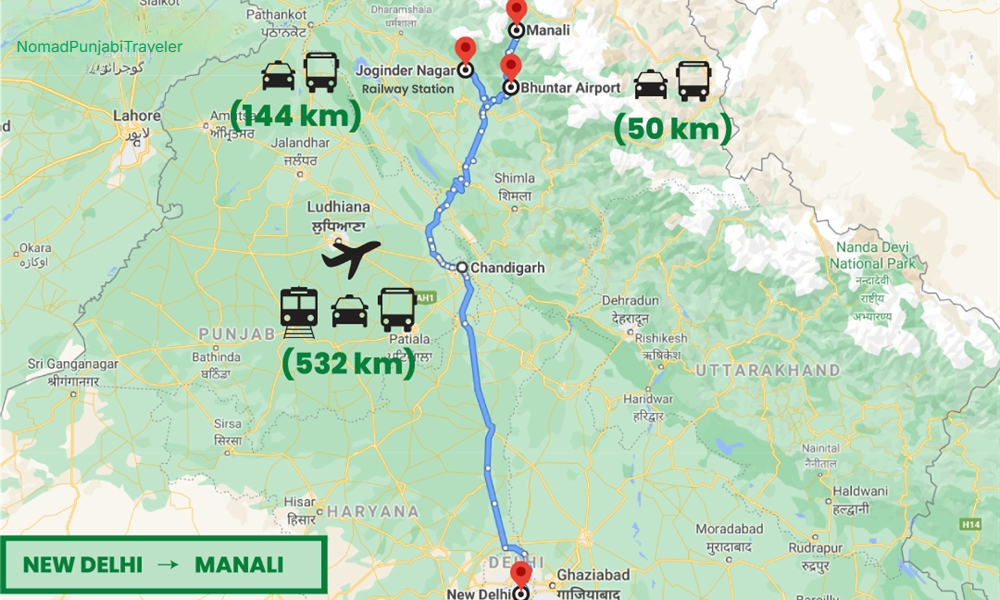
Traveling by road from Delhi to explore Manali is one of the most popular and picturesque ways to reach this hill station. The distance is approximately 550 kilometers, and the journey takes around 12-14 hours, depending on traffic and road conditions.
Driving Yourself
- Route: Start your journey from Delhi and take NH44 towards Chandigarh. From Chandigarh, continue on NH154 to reach Mandi. From Mandi, follow NH3 to Manali.
- Stops: Consider stopping at Murthal for a hearty breakfast at one of the famous dhabas. Chandigarh, with its modern architecture and Rock Garden, makes for a great pit stop. You can also explore the beautiful town of Mandi.
- Tips: Start early in the morning to avoid Delhi’s traffic. Carry essentials like water, snacks, and a first aid kit. Make sure your vehicle is well-maintained and fuelled up.
By Bus
- Types of Buses: There are several types of buses available, including Volvo, semi-sleeper, and deluxe. Himachal Road Transport Corporation (HRTC) and private operators run regular services.
- Duration: The bus journey takes approximately 12-15 hours. Most buses depart in the evening and reach Manali by the next morning.
- Booking: Tickets can be booked online through various travel portals or at bus terminals.
By Train: The Serene Journey
While there is no direct train to explore Manali, you can take a train to Chandigarh or Ambala and then proceed by road.
- From Delhi to Chandigarh/Ambala: Several trains run daily from Delhi to Chandigarh (Shatabdi Express, Kalka Mail) and Ambala (Himalayan Queen, Amritsar Shatabdi).
- From Chandigarh/Ambala to Manali: Hire a taxi or take a bus from Chandigarh or Ambala to Manali. The road journey from Chandigarh takes about 8-10 hours, while from Ambala, it’s around 10-12 hours.
By Air: The Quickest Route
Flying to Manali is the fastest way to reach the valley, though it involves a short road trip as well.
- Flights to Bhuntar: The nearest airport to Manali is Bhuntar Airport, located about 50 kilometers away. Air India and other airlines operate regular flights from Delhi to Bhuntar.
- From Bhuntar to Manali: Hire a taxi or take a local bus from Bhuntar to Manali. The journey takes around 1.5-2 hours, offering beautiful views of the Kullu Valley.
Alternative: Shared Cabs and Ridesharing
For a more personalized experience, consider booking a shared cab or ridesharing service. This option is suitable for those looking for comfort and flexibility. Several apps and websites offer these services, allowing you to choose your preferred vehicle and travel companions.
Hidden Gems Along the Way
- Murthal: Famous for its dhabas, stop here for a traditional Punjabi meal.
- Parwanoo: Known for its fruit orchards and the Timber Trail cable car ride.
- Sunder Nagar: A small town with picturesque views of the Beas-Sutlej Link Project reservoir.
- Kullu: Explore the town of Kullu, known for its temples, apple orchards, and the Great Himalayan National Park.
Travel Tips
- Plan Ahead: Check the weather forecast and road conditions before starting your journey, especially during the winter months.
- Pack Smart: Carry warm clothing, as Manali can be quite cold, even in summer.
- Stay Hydrated: Keep yourself hydrated, especially if you’re traveling by road.
- Local Transport: Once in Manali, you can rent scooters or motorcycles or hire taxis to explore the town and nearby areas.
Embark on this memorable journey from Delhi to explore Manali,/enjoying the diverse landscapes and experiences along the way. Whether you choose to drive, take a bus or train, or fly, the trip to Manali promises to be an unforgettable adventure. Safe travels! 🚗✈️🚆🚌
Conclusion
I know you won’t believe but when I started this journey about how to “explore Manali” I was not a admirer of it’s beauty, it’s natural resources but it turned me as her Lover. Himachal Pradesh Manali is a destination that offers something for every traveler, from adventure seekers and nature lovers to culture enthusiasts and foodies. With its stunning landscapes, rich cultural heritage, and delectable cuisines, Manali promises an unforgettable experience. Whether you visit during the summer for outdoor activities or in the winter for snow sports, Manali’s charm and beauty will leave you with cherished memories that will last a lifetime.
I hope this guide provides you with a comprehensive overview of Manali and helps you plan your trip to this enchanting destination. Enjoy your journey and make the most of your time in this beautiful part of the world!
To stay connected, you can follow me at my Youtube Channel. @Nomadpunjabitraveler